
Why Well Drilling Regulations Matter for Your Water Supply
Well drilling regulations are legal rules governing how wells are drilled, constructed, and maintained to protect groundwater and public health. Because wells are direct pathways to underground aquifers, these regulations are essential for preventing contamination from surface runoff, septic systems, and other pollution sources.
Understanding these rules is about protecting your property and ensuring your family has safe water for decades. Key regulations include:
- Licensing Requirements: Only licensed drillers can construct wells.
- Setback Distances: Wells must be a safe distance from septic systems, cesspools, and buildings.
- Casing Standards: A minimum depth of approved, sealed casing is required.
- Water Testing: Yield and quality tests are mandatory after completion.
- Reporting Deadlines: Drillers must submit completion reports within a specified timeframe.
- Abandonment Rules: Property owners must properly seal unused wells.
Most well drilling regulations come from state agencies like the Ohio Department of Natural Resources, with local health departments often adding their own requirements. These rules cover a well’s entire lifecycle, from siting and drilling to maintenance and eventual abandonment.
The Foundation: Licensing, Permits, and Well Location
Before drilling begins, well drilling regulations require that the professionals involved meet strict licensing standards. In Ohio, drillers must have extensive hands-on experience and pass state and national exams, ensuring they are qualified to work on your water supply. This licensing is your assurance of quality and expertise.
Drillers are also responsible for reporting. Within a specified timeframe of completion, a detailed report on your well’s construction and water quality is submitted to the authorities. This transparency is a key part of the regulatory process.
Well location is one of the most critical aspects of the regulations. Wells must be accessible for future cleaning, repair, and testing, which means they are typically not placed under buildings. A well’s centerline must be a minimum distance from any structure. To prevent contamination, the ground must be graded to divert surface water, and the area around the wellhead is filled with clay or clean earth for a required distance.
Key well drilling regulations for proper location
Setback distances—the minimum space between a well and potential pollution sources—are crucial for protecting your water. These distances, which vary for things like septic tanks, cesspools, buildings, and sewers, allow the soil to act as a natural filter. The Ohio Department of Natural Resources (ODNR) regulates well construction and works with local health departments to enforce these standards.
These distances are mandatory requirements designed to protect your family’s health. At Crabtree Well and Pump, we have been navigating these regulations for decades, ensuring every well we drill not only meets but exceeds all safety standards.
Well Construction Standards: Casing, Sealing, and Equipment
Proper well construction is where well drilling regulations get technical, ensuring your water supply is permanently protected. Every component, from the casing to the grout, is critical for long-term safety.
Well casing acts as armor for your water. Regulations require new materials that meet strict ASTM (American Society for Testing and Materials) or CSA (Canadian Standards Association) standards. Key construction requirements include:
- Casing Length and Diameter: The casing must meet a minimum required length and inside diameter. This depth bypasses the surface contamination zone, and the diameter allows for proper pump installation and maintenance.
- Grouting: The space between the drilled hole and the casing (the annular space) must be filled with a required thickness of cement grout. This waterproof barrier prevents surface water from seeping down into the aquifer.
- Drive Shoe and Bedrock Seating: A drive shoe protects the casing during installation. In high-risk areas, seating the casing in bedrock provides an extra layer of security.
If we encounter contaminated water during drilling, regulations require us to seal it off completely so it cannot mix with clean water zones. All below-ground connections must be watertight, ensuring water enters the well only from the targeted aquifer. These standards are proven methods for building wells that deliver safe, clean water for years. More info about Geothermal Well Drilling shows how we apply similar rigorous standards to all our drilling operations.
Ensuring Water Quality: Testing, Disinfection, and Reporting
After construction, well drilling regulations require several steps to verify the water is safe and the well performs as expected. These post-drilling procedures include cleaning, disinfection, testing, and reporting.
First, every new well is thoroughly cleaned and disinfected using approved methods to remove any bacteria introduced during construction. The top of the casing is then sealed with a well cap to prevent contamination before the pump is installed.
Next, we conduct yield tests to confirm the well can meet your water needs. For domestic wells, a standard-length test is typical. For wells with higher demand, tests can last for an extended period to assess the aquifer’s sustainable output. We measure water levels throughout to understand how the well will perform over time.
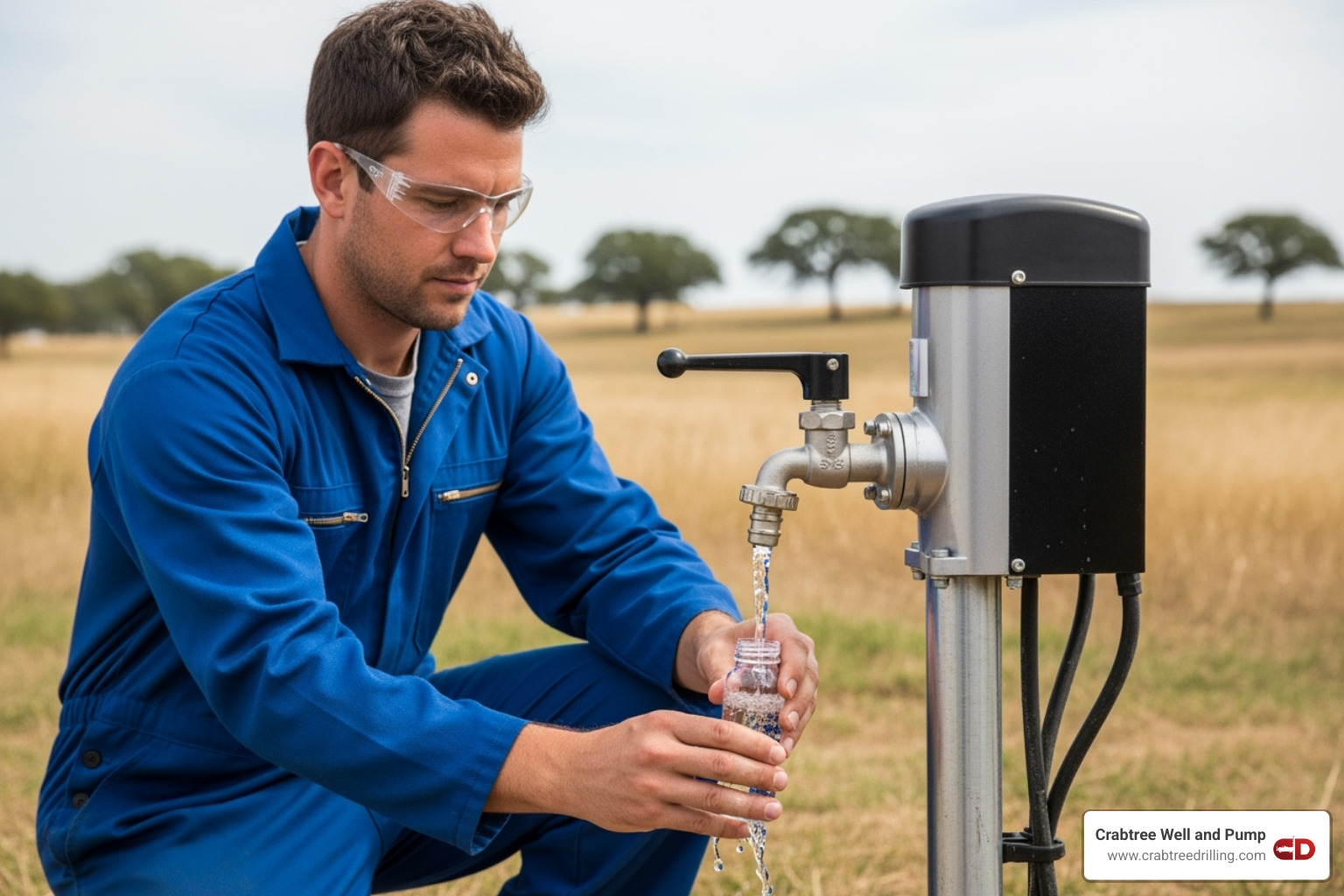
Shortly after drilling, water samples are sent to an accredited lab for quality testing. This initial test establishes a baseline for your water quality and checks for common contaminants like bacteria and nitrates, as recommended by the U.S. Environmental Protection Agency (EPA).
Finally, we submit a detailed water well driller’s report to the authorities within a specified timeframe. This report documents the well’s location, construction details, geology, and yield test results, creating a permanent record of your well. More info about Water Well Service Ohio is available for ongoing support after installation.
Long-Term Responsibilities: Well Ownership, Maintenance, and Abandonment
Well drilling regulations extend throughout the life of your well, outlining the owner’s responsibilities for maintenance and proper abandonment. These rules protect your property, your health, and the shared groundwater resource.
The well owner is responsible for keeping the well in good condition to prevent contamination. This includes keeping the wellhead area clear and ensuring the cap is secure. When a pump is installed, the top of the casing must be sealed with an approved well cap, and an air vent (a small pipe extending a required height above ground) must be included to let the well “breathe” without letting contaminants in.
If you have a flowing well, you are required to install a device to control the flow and prevent water waste. Using a well for waste disposal is strictly prohibited.
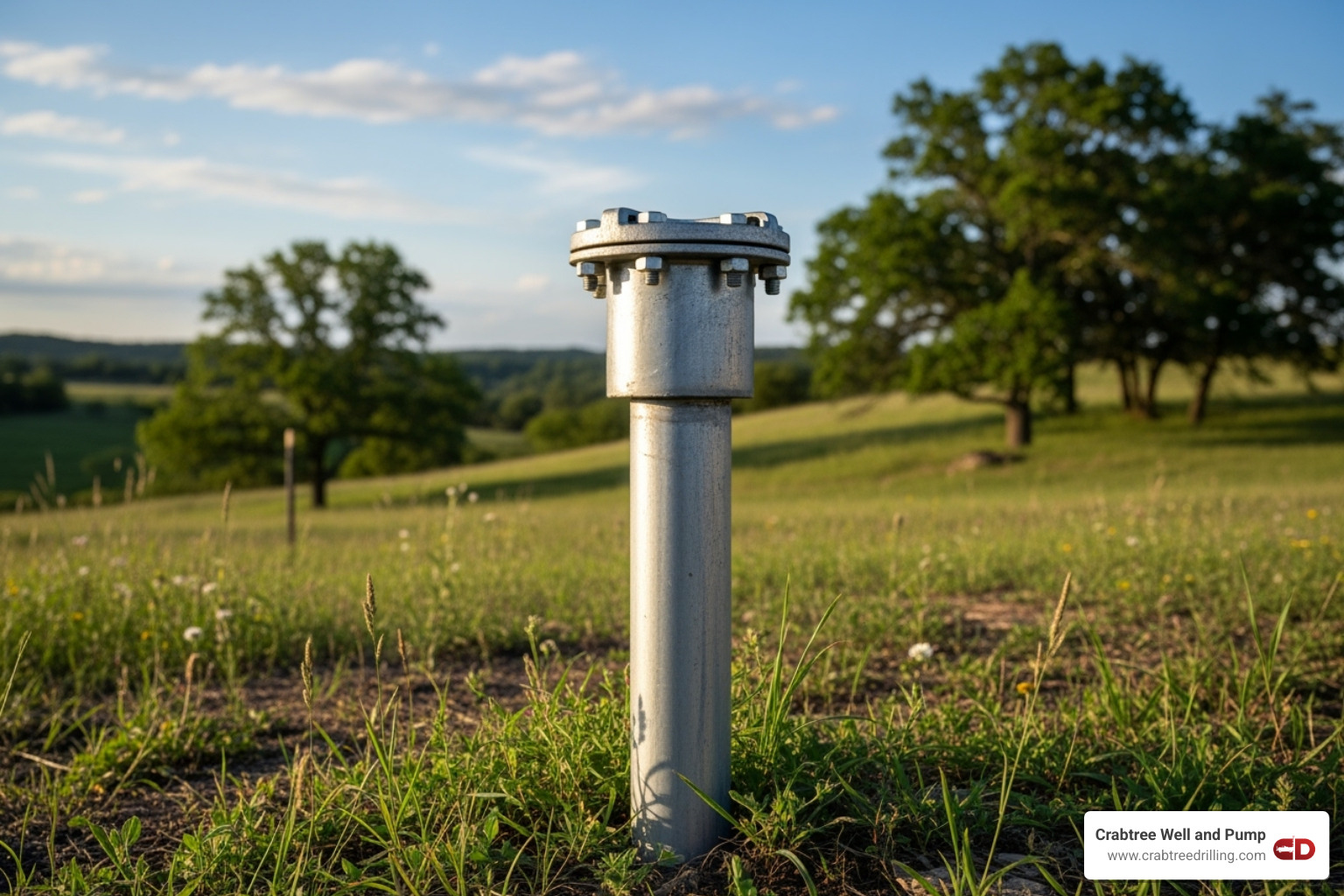
Perhaps the most critical long-term responsibility is the proper abandonment of unused wells. An abandoned well is a direct conduit for contaminants to enter the aquifer and a serious safety hazard. Regulations require any well that is dry, no longer in use, or unused for a specified period to be professionally filled and sealed. This process involves filling the well from bottom to top with approved materials like bentonite clay or cement grout to create a permanent seal. This is not a DIY project and must be handled by a licensed professional.
Restoring Flow through Water Well Rehabilitation – Wellowner.org offers more information on maintaining older wells.
Understanding Different Well Drilling Regulations
Not all wells are drilled for the same purpose, and well drilling regulations reflect these differences. The rules for a water well are very different from those for an oil and gas well, even though both involve drilling deep into the earth.
Our work at Crabtree Drilling focuses on water wells, geothermal wells, and commercial water systems. For these, every regulation is designed to protect the groundwater that communities rely on for drinking. The rules, overseen by agencies like The Ohio Department of Natural Resources (ODNR) and local health departments, center on public health and contamination prevention.
Oil and gas well regulations, in contrast, are overseen by energy commissions and focus on resource conservation, blowout prevention, and managing the environmental impacts of extraction. The table below highlights some key differences:
| Feature | Water Wells | Oil and Gas Wells |
|---|---|---|
| Primary Focus | Potable water protection, public health | Resource extraction, energy production, safety |
| Setbacks | Specific distances from septic systems, cesspools, and buildings | Greater distances from roads, utilities, and buildings |
| Casing Depth | Minimum required depth, seated in bedrock, grouted | Multiple, complex casing layers for isolation |
| Reporting Agency | State DNR, local health departments | Energy commissions, federal oil & gas regulators |
| Testing | Yield tests, water quality sampling | Formation tests, pressure tests, production data |
| Key Concerns | Groundwater contamination, water scarcity | Blowouts, induced seismicity, emissions, spills |
| Abandonment | Fill and seal to prevent contamination | Plugging for hydraulic isolation, surface restoration |
While the specifics differ, both types of drilling require strict adherence to regulations designed to protect people and the environment. This commitment to responsible drilling is a value we’ve upheld for decades.
Frequently Asked Questions about Well Regulations
With decades of experience drilling wells in Springfield, Ohio, we’ve answered countless questions about well drilling regulations. Here are some of the most common.
What is the most important factor in locating a new well?
While finding water is essential, the most important factor is preventing contamination while ensuring future accessibility. Regulations require minimum setback distances from pollution sources, such as septic systems, to protect water quality. The well must also be accessible for future maintenance and repairs, which is why a minimum clearance from buildings is required.
What happens if contaminated water is found during drilling?
If an unusable water zone (e.g., salty or high in sulfur) is encountered, well drilling regulations require us to seal it off immediately. We use approved methods, typically cement grout, to create an impermeable barrier. This isolates the contaminated water, preventing it from mixing with clean aquifers that will supply your drinking water.
Who is responsible for an abandoned well?
The property owner is responsible for any abandoned or unused well on their land. An old well is a direct pathway for contaminants to reach the groundwater and a serious safety hazard. Regulations require the owner to have the well professionally filled and sealed with approved materials like bentonite clay or cement grout. This is a legal requirement to protect shared groundwater resources and is not a DIY project.
Conclusion
Following well drilling regulations is about protecting your family’s access to clean, safe water. Every rule—from driller licensing and setback distances to casing standards and water testing—works together to safeguard the groundwater that sustains our communities. When these regulations are followed by experienced professionals, your well will deliver reliable, high-quality water for years to come.
At Crabtree Drilling, we’ve upheld these standards for decades. Our deep understanding of Ohio’s geology and the requirements of the Ohio Department of Natural Resources means we do the job right the first time. We believe in building relationships that last as long as our wells.
When you work with us, you get a team that treats your property like our own, following every regulation because it’s the right way to protect your property and your health. Ready to start your well project with a team you can trust? Drill your well right the first time with our expert services. Let’s work together to bring clean, reliable water to your property.